

A Simple Poem, Fairy Gardens, Birds, and Composting with Worms

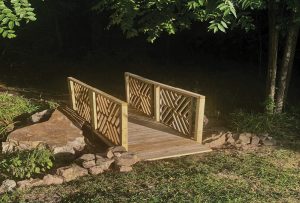
A silly poem can be a reminder of simpler times when imagination ruled, fairies were real, and folklore a far more interesting way to explain nature.
 “September Elves”
by Lenore Hetrick
Each little elf took a paint pot.
Oh, but the paint was bright!
They painted the leaves fine colors.
They painted all day and night.
September smiled when she saw them.
“What a help you are!” She said.
Each little elf was so pleased
Their faces turned bright red!
Fairy gardens will be on display at the flower show Oct. 14 through 19 at the VFW Fairgrounds. Come by and see the handiwork of all the garden club elves. The public is welcome to enter Horticulture on Oct. 12 and 13.
Horticulture Chair Mary Shurett offered fall gardening suggestions by DeKalb County Extension agent Brian Brown. The checklist included: cleaning up dead plant material (do not add diseased material to the compost); starting a fall vegetable garden; planting spring-blooming bulbs; dividing perennials; and performing yearly maintenance on gardening tools. And aces.edu is a great resource for horticulture-related questions.
Searching for a conservation topic, Mellanie Tuttle found the website alabamabirdingtrails.com.
“With 280 sites covering Alabama from the mountains to the gulf, the Alabama Birding Trails provide a roadmap of the best public lands to watch birds. Over 430 different bird species have been spotted in Alabama,” according to the site, which also offers an Alabama Bird Quiz created by M. Keith Hudson, wildlife biologist. Question 15 asked, “What bird found in Alabama — instead of the bald eagle — did Thomas Jefferson propose to be our national symbol?” Members answered with a confident “Wild Turkey.” But, alas, Benjamin Franklin, NOT Thomas Jefferson made that proposal. The other 14 questions were challenging but at least not tricky; three or fewer correct answers put one in the “bird brains” category. No bird brains among us!
Club members may not be bird brains, but sometimes focus is scattered while discussing agenda items. Plans were made for hosting the MERF senior lunch on Oct. 9 (lasagna, salad, bread, desserts). Folks volunteered to clerk for the flower show and bring goodies for the judges. There will be no booth at the Mentone Fall Festival, but the club will decorate the amphitheater for the festival on Oct. 10.
President Rhea Pirch spoke on the benefits of vermicomposting. Soon, folks understood the who, what, why, where, and how of vermiculture.
The who: Red wiggler (Eisenia fetida) worms. They love the dark, moist conditions in the bin and are prolific breeders and poopers.
The what: Vermiculture, also known as worm casting or vermicomposting, is the cultivation of worms to produce compost. The worm digestion and aerobic decomposition using the activities of micro and macroorganisms at room temperature produce the nutrient-rich worm castings.
The why: Reduction of food waste in landfills. Vermicomposting produces a rich, organic soil amendment containing a diversity of plant nutrients and beneficial microorganisms. It is sustainable.
The where: A vermicompost bin such as the Subpod (spendy) or one made from a storage tote ($8-$15) with holes drilled near the top allows for air circulation and prevents worms from escaping. Amount of food waste will determine the size of the tote needed.
The How: Bedding material such as shredded newspaper, cardboard, hydrated coconut coir, or straw are added to the bottom of the bin. Moisture is added until the bedding is the consistency of a damp sponge. Next, waste such as food scraps, coffee grounds, egg shells (rinsed well), and used tea bags are added. Food scraps should be cut into 1- or 2-inch squares or run through a food processor or blender. This reduces odor, discourages pests, and is easier for the worms to eat. Layer scraps and bedding material in a 1:2 ratio. Worms are then added to the mix in a ratio of one pound of worms to one-half pound of organic waste scraps. Another calculation is one pound of worms to every square foot of surface in the bin. Just place the worms on top of the food scraps. Cover worms with dampened newspaper.
At least once a week, check the bin for moisture, making sure it’s not too dry. Spray with water as needed. Feed only a small handful of food waste at a time. Look for a healthy color of the worms. Dead worms, escaping worms, and bad odors are failures. Get help. To harvest the compost, flash a light into the bin or move to a light source. The worms prefer darkness and will burrow deeper into the bin, allowing the compost to be scraped off. Wait 10 minutes and repeat. Good references are abanahomes.com, foodprint.org, and Homestead and Chill on YouTube.
Our next meeting is Oct. 8 at 10 a.m. in Moon Lake Library. Folks will go home with a decorated gourd ornament. Plastic gloves, gourds, and alcohol inks supplied. Bring an apron to protect clothing.
Join us!
The RGC meets at 10 a.m. each month on the second Tuesday. For information, email rhododendrongardenclub@gmail.com and find the group on Facebook.
RGC is a member of the National Garden Club; Deep South, Inc.; Garden Club of Alabama; District II and NE AL Federation of Garden Clubs.
Mentone Fall Festival Returns Saturday, Oct. 17
Lots of Good Food Choices and Opportunities to Sponsor Mentone is preparing to welcome thousands of visitors as the Mentone Fall Festival returns Saturday, Oct. 17, for a full day of art, music, food, and » Read More
High Temps? No Problem. Try These Cool Recipes
We’ve been spoiled most of the summer with rainy days, cloud cover, and highs in the 70s and low 80s. But today when I walked outside, I realized that luck might have run out. Corn » Read More

Valley Head Women’s Club Awards Scholarships
The Valley Head Area Women’s Club awarded two scholarships to the Valley Head High School Class of 2026. This year, the scholarships were increased in memory of JoAnn Phillips to a total value of $800 » Read More

A Bit of Our Town’s History
I decided to give you all a brief history lesson on our beautiful town this month. I even discovered a new fact or two myself. Valley Head was officially incorporated in 1922 and continues to » Read More