

Rooted in Home: Why Native Plants Matter

In Northeast Alabama, something beautiful is blooming — literally. More folks are giving up manicured lawns and nurturing plants that have called this place home long before any of us did. These homegrown heroes — native plants — aren’t just pretty faces. They’re workhorses for the environment, stewards of the soil, and beloved pitstops for pollinators. But what is a native plant anyway?
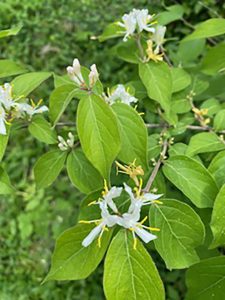
The invasive Bush Honeysuckle (Lonicera tartaria) is blooming all over Mentone and has a hollow stem. The native Bush Honeysuckle (Diervilla lonicera) has yellow flowers with a solid stem and would be a good replacement.
A native plant is one that’s been growing in a region long before lawns, subdivisions, or even garden centers. It’s one that was in place in the landscape before humans arrived, and they’re tailor-made by nature for our local climate, soil, and critters. Wildflowers are part of that family — plants that sprout without human help and brighten up fields and forest edges just by being themselves.
As for how you should decide which native plants to install or nurture, remember the saying, “location, location, location.” Trilliums like shade. Coneflowers crave sun. Pitcher plants prefer wet areas. Butterfly weed’s just fine in poor soil. You get the idea. They know where they’re most happy, and that requires no human intervention.
Why Choose Native Plants?
Several advantages are worth noting when considering natives:
- They need less water, fertilizer, and pesticides.
- Natives offer essential food and shelter for local wildlife and pollinators.
- Help restore and protect Alabama’s natural ecosystems by reducing erosion;.
- They thrive in the soil and climate conditions of our region, such as limestone and clay.
- They may take their sweet time establishing roots — some spend years building below the surface before showing off above it — but the wait is worth it. They play the long game, while flashy non-natives can burn out early.
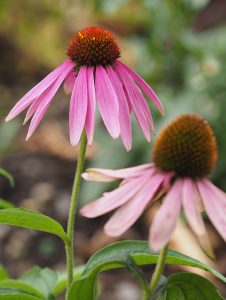
Purple Coneflower
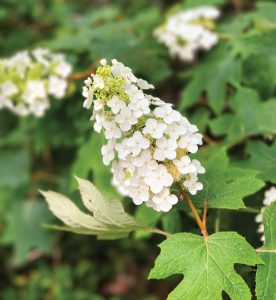
Oakleaf Hydrangea
Meet the Locals
Here are just a few native showstoppers to keep or invite into your garden:
- Purple Coneflower (Echinacea purpurea) – beloved by pollinators and gardeners alike; blooms all summer.
- Black-Eyed Susan (Rudbeckia hirta) – cheerful and tough, great for butterflies
- Oakleaf Hydrangea (Hydrangea quercifolia) – big blooms, bold fall color, shade-loving
- Eastern Redbud (Cercis canadensis) – early spring pink blossoms
- Little Bluestem (Schizachyrium scoparium) – wavy grass with fall flair and habitat benefits
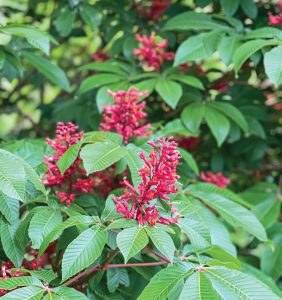
Red Buckeye
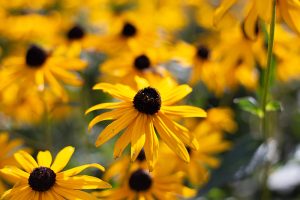
Black-Eyed Susan
- American Beautyberry (Callicarpa americana) – purple berries birds can’t resist.
- Coralberry & Winterberry Holly – (Symphoricarpos orbiculatus and Ilex verticillata) – swap these for invasive Nandina if you’re berry-happy
- Red Buckeye (Aesculus pavia) – early hummingbird magnet
- Majestic Oaks (Quercus spp.) – host to over 800 caterpillar species — true ecosystem anchors
Where to Find Native Plants Nearby
Don’t dig natives up from the woods—take only photos and memories. Many natives don’t transplant well and some are protected by law. Instead, shop smart from places that grow them right.
- Huntsville & Birmingham Botanical Garden Sales – seasonal events with local experts
- Recreative Natives (Cropwell) – small but mighty nursery
- Reflection Riding (Chattanooga) – worth the drive
- Petals from the Past (Jemison) – Southern-grown gems
- DeKalb County Master Gardener Sale (visit their website: alabamaga.org)
- Rhododendron Garden Club Plant Sale, May 3, at Henagar Park
- Sand Mountain Seed Bank – mail-order options from the heart of Alabama
- Online Nurseries – just make sure they’re ethical, no wild harvesting!
Before buying, check the plant tags to make sure you’re getting the true native species, not a lookalike.
Bringing It Home: Converting Your Landscape
You don’t have to rip out your whole lawn or ditch grandma’s daffodils. Just start small and build from there:
- Observe first – is your yard sunny, shady, soggy, or dry? Match plants to conditions.
- Pick a spot – tackle one bed, border, or tree base at a time.
- Ditch the bullies – remove invasives like English ivy, Nandina, or privet
- Mix it up – combine trees, shrubs, flowers, and grasses like nature does
- No-mow zones – let a little wild back in — the pollinators will thank you.
And one last tip: Focus on habitat, not perfection. Your garden doesn’t have to be “natives only,” but every native you add helps restore balance and beauty to our shared landscape. Gardens are personal creations but the natives were here first. Join in keeping Mentone a pollinator haven.
One Comment
Leave A Comment
Mentone Fall Festival Returns Saturday, Oct. 17
Lots of Good Food Choices and Opportunities to Sponsor Mentone is preparing to welcome thousands of visitors as the Mentone Fall Festival returns Saturday, Oct. 17, for a full day of art, music, food, and » Read More
High Temps? No Problem. Try These Cool Recipes
We’ve been spoiled most of the summer with rainy days, cloud cover, and highs in the 70s and low 80s. But today when I walked outside, I realized that luck might have run out. Corn » Read More

Valley Head Women’s Club Awards Scholarships
The Valley Head Area Women’s Club awarded two scholarships to the Valley Head High School Class of 2026. This year, the scholarships were increased in memory of JoAnn Phillips to a total value of $800 » Read More
A Bit of Our Town’s History
I decided to give you all a brief history lesson on our beautiful town this month. I even discovered a new fact or two myself. Valley Head was officially incorporated in 1922 and continues to » Read More
Well written, covering all the bases leading up to the whole theme of biodiversity and appreciation of nature’s natives. Thanks for sharing and spreading the word. Preservation is representative of Mentone.