

Rhododendron Garden Club Takes On Invasive Species

To mark the beginning of a new chapter in our club’s efforts to preserve and enhance the natural beauty of our surroundings, we recognized and supported National Invasive Species Awareness week, February 24-28.
With posts on Facebook and a call-out to community members to join us at Moon Lake Village, we set out to conquer the invasive plants that have spread like wildfire across the newly established RGC garden. Many thanks to the small but mighty crew who gathered to battle a whole lot of Chinese privet, honeysuckle vines, vinca, arum, wire vine, multiflora, and more.
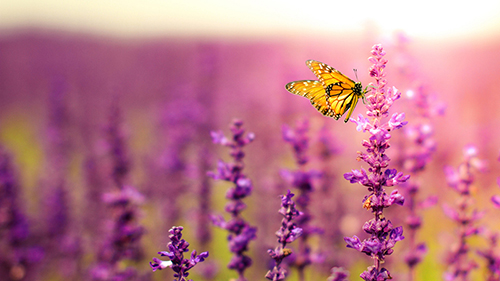
Pollinators like this butterfly need support from conscious, intentional garden planning.
As gardeners, we often prioritize aesthetics, fragrance, and growth potential when selecting plants for our gardens. However, it’s crucial to consider the environmental impact of our choices. One of the most pressing issues in horticulture today is the prevalence of invasive plant species and the vital importance of nurturing native plants instead.
Invasive plants are non-native species that have been introduced to an area, either intentionally or accidentally, and have established themselves at the expense of native flora. These plants often have aggressive growth habits, outcompeting native species for resources such as sunlight, water, and nutrients. The result can be a significant loss of biodiversity and disruption to local ecosystems.
Choosing native plants for your garden has numerous benefits, both for the environment and for the gardener. In this spirit, member Martha Wood presented a program on salvia during our last meeting, held on March 11 at the Moon Lake Library.
Salvia plants belong to the mint family, Lamiaceae, and are characterized by their aromatic leaves and tubular flowers. They thrive in diverse environments, making them suitable for a variety of gardens—from sunny borders to shaded woodland areas. Their blooming period can range from late spring to late fall, depending on the species and regional climate. This extended bloom time means that salvia can provide color and charm for most of the gardening season.
Salvia comes in a wide variety of species, each with a unique color palette and growth habit. Among the most popular types are:
Salvia nemorosa (Woodland Sage): Known for its striking purple-blue flowers, this species blooms from late spring to early summer and is a favorite for border plantings.
Salvia splendens (Scarlet Sage): True to its name, this species boasts bright red blooms that can add a fiery touch to any garden. It flowers profusely from summer to fall.
Salvia greggii (Autumn Sage): This species offers a variety of colors, including red, pink, orange, and purple, and is known for its long blooming season, often extending into the late fall.
Salvia farinacea (Mealycup Sage): With its tall spikes of deep blue or white flowers, this salvia is perfect for adding vertical interest to garden beds. It typically blooms from late spring to frost.
Salvia officinalis (Common Sage): While often grown for its culinary uses, the common sage also produces lovely purple-blue flowers that can enhance the visual appeal of herb gardens.
These diverse species, with their array of colors and blooming periods, make salvia a versatile and valuable addition to any garden. Another advantage of growing salvia is its ability to attract pollinators. These plants are particularly popular among bees, butterflies, and hummingbirds, which are drawn to their vibrant flowers and rich nectar. By planting salvia in your garden, you can create a haven for these essential pollinators, promoting biodiversity and supporting the health of your local ecosystem. Its presence helps to ensure the pollination of other plants in your garden, leading to a more abundant and thriving environment.
Transitioning to native plants doesn’t mean sacrificing beauty or variety. Start by researching which native plants flourish in your region and consider visiting local nurseries that specialize in native plant species. They can help you select the right plants for your garden!
By Rhea Pirch
Rhea Pirch is president of the Rhododendron Garden Club.
Annual Wildflower Trail Walk
On April 8, we’ll make the annual trek to the Shirley Miller Wildflower Trail/The Pocket/Pigeon Mountain. Meet at the MERF House at 9 a.m. for the adventure. All are welcome, and the boardwalk trail is easily accessible for those who aren’t mountain climbers!
Join us!
The RGC meets each month on the second Tuesday. We are currently meeting in the Moon Lake Library and gather at 10 a.m. Please join us for connection and conviviality. RGC is a member of the National Garden Club, Deep South, Garden Club of AL, District ll, and NE AL Federation of Garden Clubs.
Memories From Novembers Past
I recently decided to take a few minutes to look back into archived November issues of The Groundhog. Those few minutes turned into a few hours, as I squinted and read about familiar (and some » Read More

Extra Thanksgiving Ingredients
Thanksgiving isn’t far off, and I plan to cook the whole shebang for my family. But one thing I have to have after the big day is something different to eat — preferably something with » Read More
There’s a New Bear in Town
Uber-talented Mentone artist Don Highfield has given Mentone a new landmark: an 8-foot-tall bear carved from a pine tree that was slated to come down. Next time you head over to Little River Hardware » Read More
Valley Head Women’s Club Bake Sale and Pecan Fundraiser
Come out and buy something delicious at the Valley Head Women’s Club’s annual fundraising bake sale November 21 from 9 a.m. to 1 p.m. (or until items are sold out). Choose from homemade desserts, breads, » Read More